



Multi-Pure, my Cupboards, and the Perils of PVC
This past week, I panicked when I discovered that the tubing used in my new Multi-Pure counter top water filter system, which I bought in place of the Brita we had been using, is made from virgin PVC.

As I wrote on October 29, I was already somewhat disenchanted with Multi-Pure because of the volume of plastic bubble wrap in which the unit and filter cartridge were wrapped. But it wasn’t until the unit was installed and working that I actually read the fine print and discovered the more serious problem of PVC used in the product itself.
When I called Multi-Pure to address this issue, I was told that the tubing had been tested by NSF and found not to leach anything harmful into the water. However, the rep was unable to confirm whether phthalates such as DEHP, the chemicals that are the biggest worry, were included in the list of possible contaminants for which to be tested. But regardless of whether or not this particular tubing is leaching anything harmful into my water, I decided to send the unit back anyway.
So what’s the big deal about PVC? And if the tubing’s been tested and found not to leach, why send it back? Here’s a rundown of the problems of PVC:
- PVC is the only major plastic that contains chlorine, so it is unique in the hazards it creates. During production, PVC plants can release dioxins which harm workers and community members who live nearby. According to The Center for Health, Environment, and Justice (CHEJ), residents of Mossville, Louisiana, which is home to more PVC production facilities than anywhere else in the USA, have been shown to have much higher concentrations of dioxins in their blood than the average U.S. citizen.
- The plasticizers used to make PVC soft contain carcinogenic phthalates which can leach from the plastic, especially when used in children’s toys and other products that may find their way into children’s mouths. In fact, many hospitals have replaced the PVC tubing and IV and blood bags they use (PDF) with less toxic alternatives.
- According to ecocycle.org, because so many different additives are used to make PVC, recycling the plastic is extremely difficult, and any PVC bottles (#3 plastic) that make it into the recycling stream can contaminate and ruin a whole load of #1 bottles.
- When incinerated, PVC forms dioxins, a highly toxic group of chemicals that build up in the food chain. When landfilled, PVC poses significant long-term environmental threats as chemical additives can leach into groundwater.
- Greenpeace says that in a house fire, fire-retardant PVC will smolder for long periods of time rather than burn, “giving off hydrogen chloride gas long before visible signs of fire appear. Hydrogen chloride gas is a corrosive, highly toxic gas that can cause skin burns and severe long-term respiratory damage.” For this reason, the International Association of Firefighters supports alternative materials to replace PVC.
- In fact, according to Greenpeace’s hierarchy of plastics, PVC is the very worst, even worse than Styrofoam! For a more in-depth analysis of the problems associated with PVC, please read Greenpeace’s article, “The Poison Plastic.”
Whether or not the tubing in the Multi-Pure system actually leaches phthalates into my water, I don’t want to support the production of a material that is so harmful to humans and the environment in general. So this morning, I shipped the Multi-Pure unit back to the company.
And then tonight, after reading that PVC cannot be recycled, and realizing that I had included several #3 Act fluoride rinse bottles in my recycling in the last few months, I went through my cupboards and refrigerator to see if there were any other PVC culprits still lurking in the house. Sure enough, I found four of them:
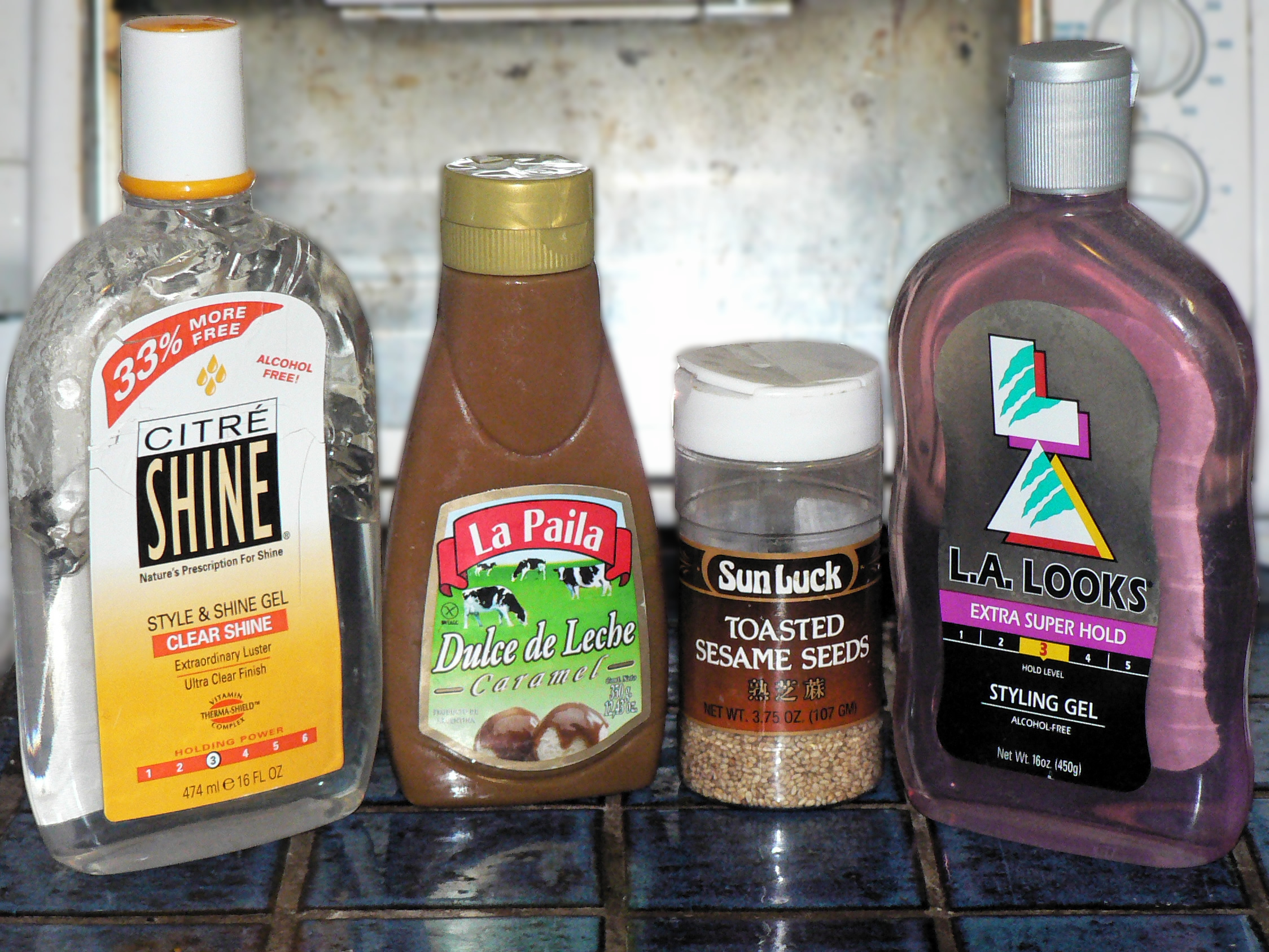
Number 3 PVC bottles look very similar to clear number 1 PETE bottles. In fact, many manufacturers have switched to #1 plastic as an alternative to PVC. The only way to tell is to look at the number on the bottom of the container. #3 means PVC. Unfortunately, it’s not so easy to tell when other, unlabelled products are made from PVC. These can include children’s toys, shower curtains, window blinds, flooring, pipes, house siding, insulation, roofing membranes, protective pipes for electricity and telecom cables, casings for electronics, refrigerator gaskets, power cords, carpets, furniture, the inside of screw caps, shoes and boots, purses and luggage, raincoats, T-shirts with plastisole prints, packing tape, vinyl records, the covering on ring binders, strollers, garden furniture, tarps, car interiors, and more.
So, what do we do with PVC that we already have? The CHEJ report “PVC: Bad News Comes in 3s. The Poison Plastic, Health Hazards, and the Looming Waste Crisis” recommends either disposing of it at a hazardous waste facility or sending it back to the manufacturer and letting them know that PVC is an unacceptable material for them to be using. For the four items I found tonight, I think I’ll go on a research mission and see if these products are still being sold in #3 bottles. (Act fluoride rinse, by the way, is now contained in #1 PETE.) If the bottles are no longer #3 plastic, I’ll just toss these current containers into my hazardous waste bag for later. But if the products are still being sold in PVC bottles, I’ll send these back to the manufacturers with a nice note.
Now once again, I am without a water filter. What to do? Well, how about something I should have done a long, long time ago: testing the water to see if we even need a water filter in the first place! Last week I purchased a Culligan water test kit at Ace Hardware and did some preliminary home tests. Turns out, our chlorine and chloramine levels are much lower than I expected! I mailed a water sample away this morning to be tested for lead. If that test comes back okay, I think we’ll drink our water unfiltered and save a whole lot of money and plastic. Imagine drinking water straight from the faucet again, just like we did as kids. What a nice idea.
Hi Demetria. First, you could put your tap water through reverse osmosis if you're concerned about those chemicals. Because actually, what do you know about the chemicals leaching into the water from the plastic water bottle?
Did you know that all soft plastic contains chemical additives called plasticizers to make it soft? Many of these additives are hormone disruptors. In fact, there are links between the chemicals in plastic bottles and breast cancer.
Plastics contain other types of additives as well. Do we know what they are? Usually not. Because manufacturers are not required to disclose the chemical "recipes" for their plastics. The type of plastic (PET, for example) does not tell you this either.
These days, I don't want to eat or drink anything that comes into contact with plastic. I'll stick with our tap water that is much more strictly regulated than bottled water in the first place. I'm not willing to turn over the quality of my drinking water to a few private corporations when clean drinking water should be a public trust for all of us.